
Better sleep in the heat: what really helps on summer nights
It's half past midnight, the window is open, and still the air clings to the bedroom. You flip the pillow to the cool side, slide one leg out from under the duvet — and twenty minutes later you're still wide awake. If that sounds familiar in summer, you're not alone: once nights stay above 20°C, most people sleep measurably worse.
It's not your imagination, and it's not a matter of willpower. To fall asleep, your body needs a very specific signal — and heat disrupts it. The good news: there are several levers you can pull, and most cost nothing. Here's what really works on hot summer nights.
Why heat disrupts sleep in the first place
Falling asleep is closely tied to your core body temperature. To feel sleepy and reach deep sleep, your body has to lower its core temperature in the evening — releasing heat through the skin, especially the hands and feet. This “cooling down” is part of the natural sleep signal.
When the environment is too warm, this heat release works less well. The body stays on alert, you wake more often, and the restorative deep sleep in the first half of the night gets shorter in particular. Why good deep sleep matters far beyond the night, read in our article Sleep and Longevity.
The ideal sleep temperature for most people is between 16 and 19°C. In high summer that's often unrealistic — but the closer you get, the better.
Keep the bedroom cool: timing is everything
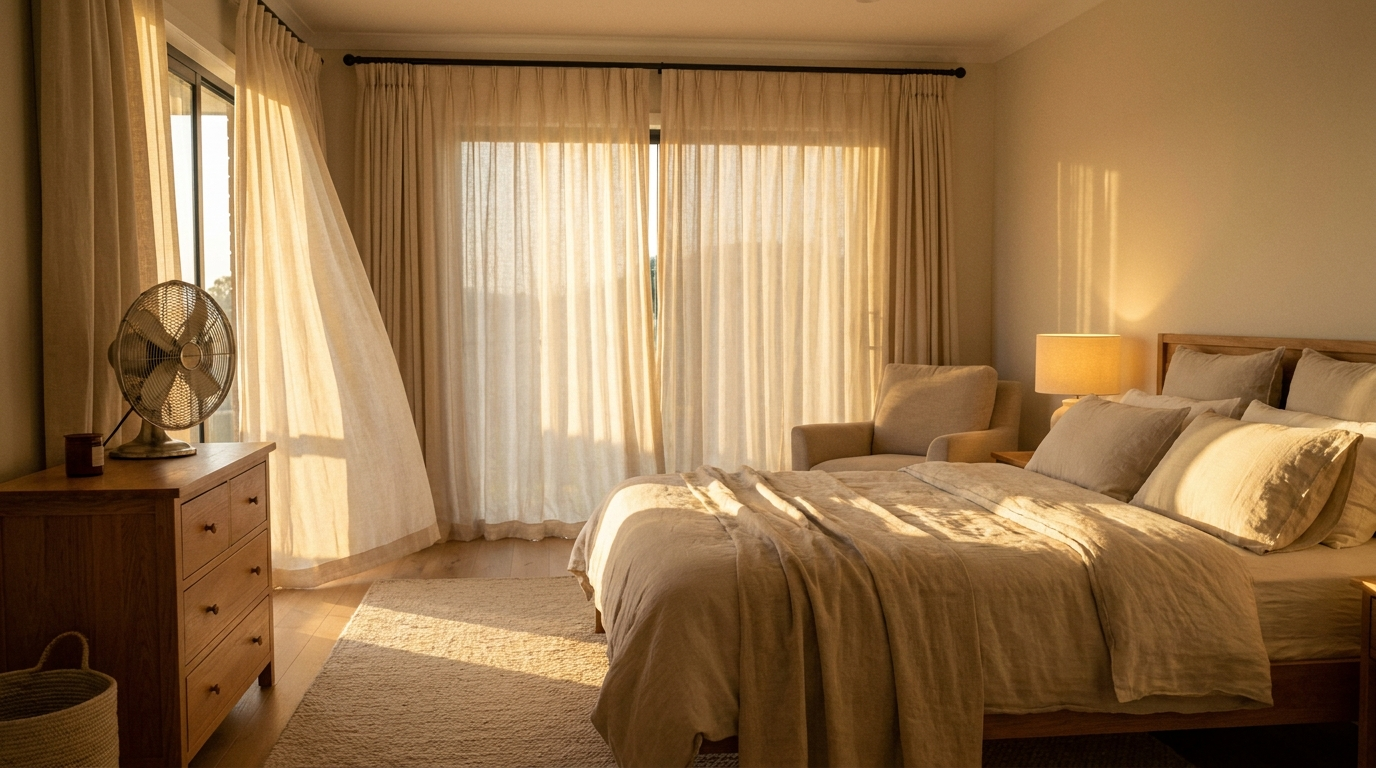
The most common mistake: throwing the windows open during the day. That lets the hot air in exactly when it's warmest. Better is brief, thorough airing in the early morning and late at night, when the outside air is coolest — and during the day, windows closed, blinds or curtains drawn.
- Block the heat: External blinds or light, closed curtains keep the sun's radiation out.
- Use a fan wisely: A fan doesn't cool the air, but the moving air speeds up the heat release from your skin.
- Turn off electronics: Standby devices and chargers give off heat — switch them off overnight.
- Light bedding: Cotton or linen conduct heat and moisture better than synthetics.
Cool your body down before sleep
If the room won't get cool enough, cool your body directly. The most effective trick is surprisingly simple: a lukewarm shower about an hour before bed. Not ice-cold — that would rev up your circulation — but lukewarm. Afterwards the body cools noticeably through the damp skin.
- Keep your feet free: The body releases heat particularly well through the feet.
- Light dinner: Heavy meals fire up digestion and with it heat production.
- Avoid alcohol and caffeine: Both disrupt thermoregulation and deep sleep.
The underrated factor: fluids and electrolytes
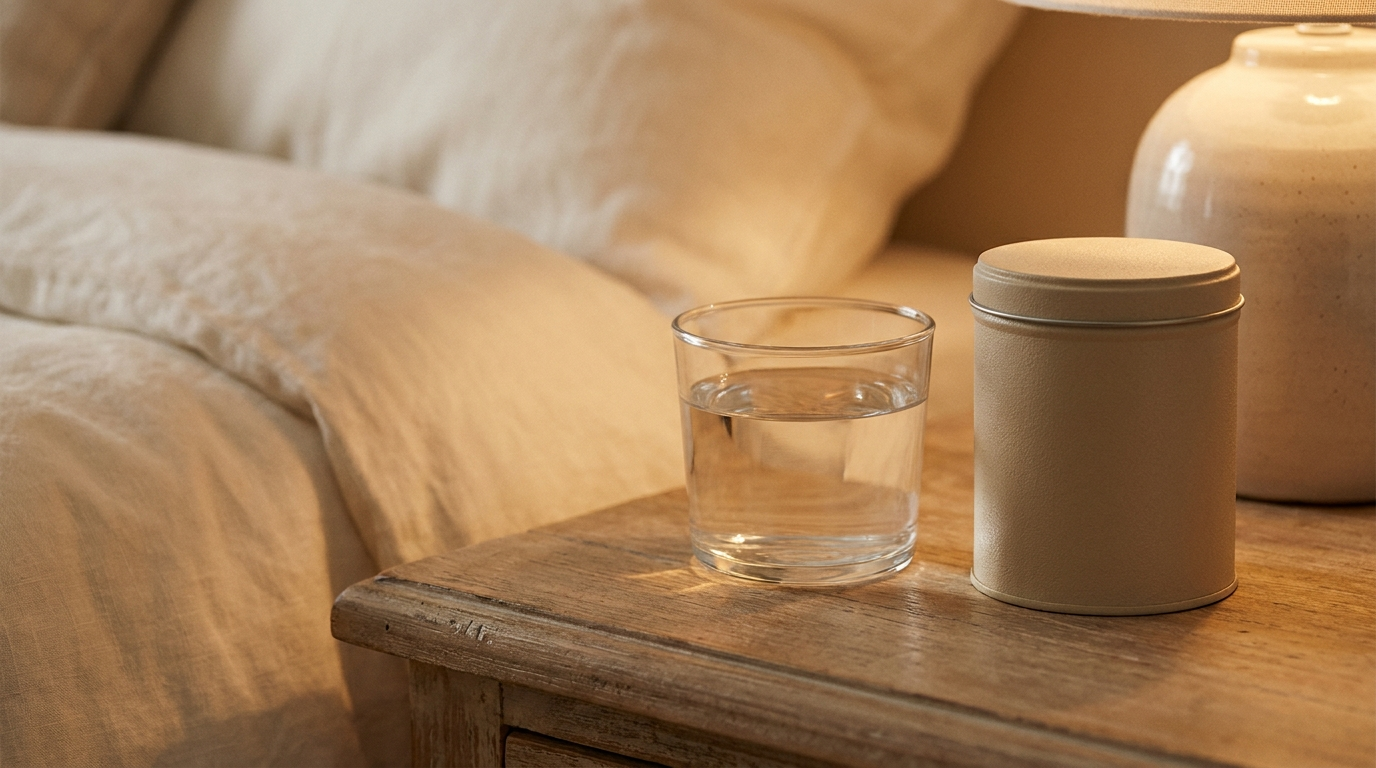
Most people overlook this point. On hot nights your body sweats, often without you noticing. With the sweat you lose not only water but also minerals — above all sodium, potassium and magnesium.
Your body keeps these electrolytes in a fine balance that matters for the normal function of muscles and the nervous system. More on this in our article Magnesium and Longevity.
| Magnesium contributes to… | Relevance on hot nights |
|---|---|
| normal muscle function | muscles react to electrolyte loss from sweating |
| the reduction of tiredness and fatigue | after poorly slept summer nights |
| the normal function of the nervous system | part of nightly recovery |
| electrolyte balance | challenged by sweating |
In practice: drink enough spread across the day, not just before bed. And especially during sweaty spells, mind a good mineral supply. A high-quality magnesium supplement like MagnesiumAgil can be a sensible support here — as one building block, not a miracle cure.
Routine beats one-off measures
The strongest lever for good sleep is consistency. Go to bed and get up at roughly the same time, even at the weekend.
- Get morning daylight: 10–15 minutes of brightness in the morning sets your internal clock.
- Dim the lights at night: Bright screens signal “daytime” — wind down an hour before sleep.
- Unburden your mind: A short evening walk or calm breathing lowers tension.
Conclusion
Poor sleep in the heat isn't inevitable. Keep the bedroom cool with smart airing, cool your body down before bed, mind your fluids and electrolytes — and above all keep your rhythm. Combine these building blocks and you'll get through even the hottest summer nights noticeably more rested.
Frequently asked questions (FAQ)
What temperature is ideal for sleeping?
For most people the optimal sleep temperature is between 16 and 19°C. In high summer that's often out of reach — but any step closer improves sleep quality.
Does a fan help with sleep on hot nights?
A fan doesn't lower the air temperature, but the moving air speeds up the heat release from your skin. Aim it for a gentle airflow over the bed.
Should I take a cold or warm shower before bed?
Lukewarm is better than ice-cold. A cold shower revs up your circulation; a lukewarm shower lets the body cool down afterwards through the damp skin.
Why do I get more leg cramps at night in summer?
Through sweating the body loses water and minerals like magnesium. Magnesium contributes to normal muscle function — so minding a good supply makes particular sense in summer.
How much should I drink on hot days?
Drink enough across the day rather than large amounts just before bed. That way you offset the sweat loss without being woken at night.
Does alcohol in the evening make sleep in the heat even worse?
Yes. Alcohol impairs thermoregulation and deep sleep. On hot nights that compounds the already poorer sleep quality.
A Nordic Imperial Company